


Heritage Conservation and Promotion
Anniversary Celebrations of Maharanas
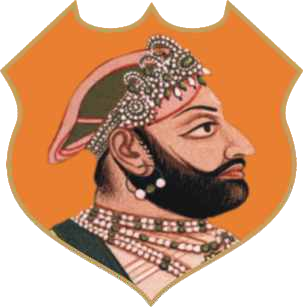
Maharana Bheem Singh (r. 1778 - 1828 CE)
The Maharana of Mewar Charitable Foundation commemorated the 258th Birth Anniversary of Maharana Bheem Singh on 10th March 2026. Ascending the throne at just nine years of age in 1778, Maharana Bheem Singh steered Mewar through decades of political instability, Maratha conflicts, and internal rebellions. His reign culminated in the Treaty with the British East India Company in 1818, bringing stability and protection to the kingdom. A notable patron of architecture and faith, he commissioned several palaces and temples and introduced the silver 'Chandori' coin. Maharana Bheem Singh passed away on 30 March 1828, concluding a remarkable 50-year reign.
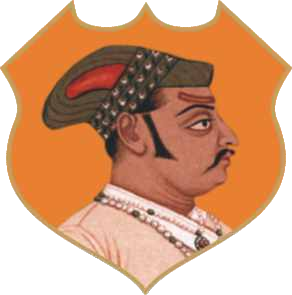
Maharana Amar Singh I (r. 1597 - 1620 CE)
The Maharana of Mewar Charitable Foundation commemorated the 467th Birth Anniversary of Maharana Amar Singh I on 25th March 2026. Succeeding Maharana Pratap in 1597, he continued Mewar's determined resistance against the Mughal Empire, securing several notable victories despite sustained invasions. His perseverance culminated in the honourable Treaty of 1615, which restored Mewar's territories while safeguarding its sovereignty and dignity. Thereafter, he devoted his reign to rebuilding the kingdom and promoting art and architecture, including the construction of Amar Mahal. His reign remains a symbol of courage, resilience, and statesmanship.
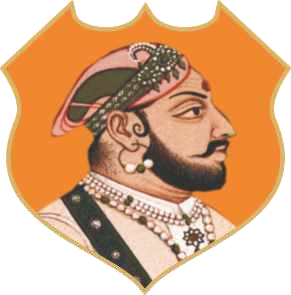
Maharana Sangram Singh II (r. 1710 - 1734 CE)
Maharana Sangram Singh II (r. 1710-1734 CE)The Maharana of Mewar Charitable Foundation commemorated the 336th Birth Anniversary of Maharana Sangram Singh II on 8th April 2026. Ascending the throne in 1710, he strengthened Mewar by reclaiming lost territories, expanding its influence, and skilfully balancing relations with the Mughal Empire while resisting the Jaziya tax. Through diplomacy and strategic alliances, including ties with the Jaipur court, he reinforced Mewar's regional standing. A distinguished patron of art and architecture, he commissioned landmarks such as Saheliyon ki Bari, Tripolia Gate, and several temples, while fostering the celebrated Mewar School of Painting. His reign is remembered as a period of political consolidation, cultural excellence, and visionary statecraft.
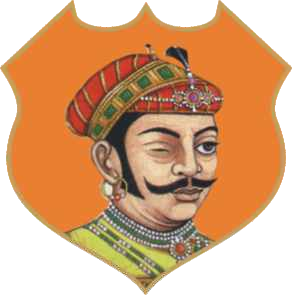
Maharana Sangram Singh I (r. 1509-1528 CE)
The Maharana of Mewar Charitable Foundation commemorated the 544th Birth Anniversary of Maharana Sangram Singh I on 11th April 2026. Ascending the throne in 1509, he transformed Mewar into North India's foremost Rajput power through decisive victories over the Delhi Sultanate, Gujarat, and Malwa, while expanding its frontiers. He captured key forts including Ranthambhore and Bayana, and is renowned for resisting Babur, fighting the historic Battle of Khanwa (1527) where he was grievously wounded. A visionary ruler, he strengthened Mewar's administration, forged strategic alliances, and promoted economic stability, including the issue of 'Sangram Sahi' copper coins. His reign remains a defining chapter in Mewar's military glory and statecraft.
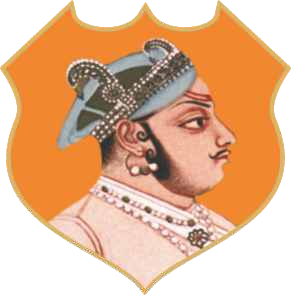
Maharana Raj Singh II (r. 1754 - 1761 CE)
The Maharana of Mewar Charitable Foundation commemorated the 283rd Birth Anniversary of Maharana Raj Singh II on 29th April 2026. Ascending the throne at the age of ten in 1754, his reign was marked by repeated Maratha incursions, which placed immense strain on Mewar's stability and finances. Despite these challenges, Mewar's forces secured a significant victory over the Marathas at Malhargarh in 1759, while the Maharana also played a key role in the Jodhpur succession and recovered Banera. His reign also witnessed patronage of public works, including the Rajrajeshwar Bawdi at Debari. Maharana Raj Singh II passed away in 1761 at the age of eighteen.
www.eternalmewar.in
| First | Prev | 30 | Next | Last |